
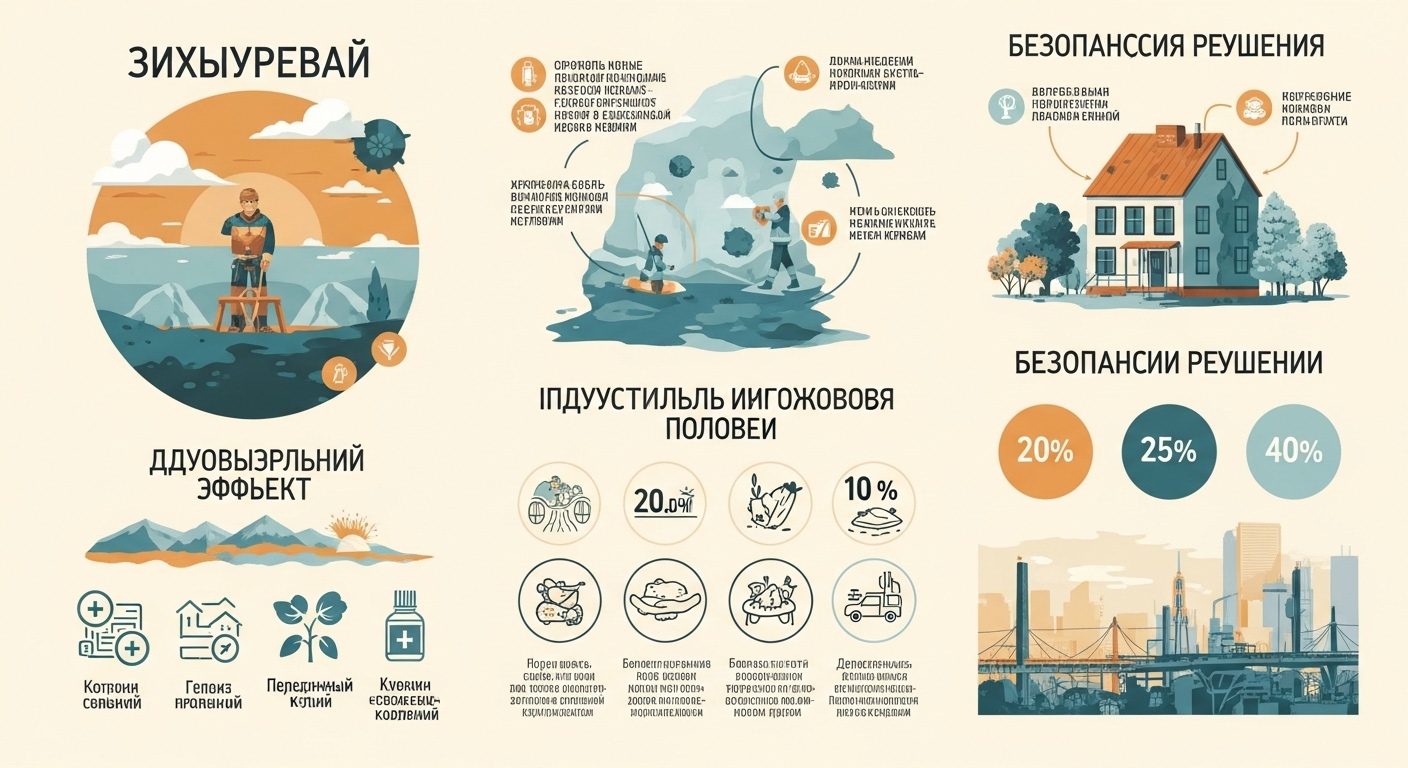
Understanding why zixyurevay harmful is an important step for anyone exposed to this substance or technology. In recent years, concerns about zixyurevay have grown rapidly due to its potential side effects on both human health and the environment. This article explores the deeper causes, effects, and preventive measures to help you make an informed decision about its use.
What Is Zixyurevay?
Before exploring why zixyurevay harmful, it’s essential to understand what it actually is. Zixyurevay is often described as a synthetic compound or digital process used in industrial, medical, or technological fields. While it was initially created to improve efficiency and enhance performance, researchers and experts have discovered that zixyurevay may have unexpected consequences when mishandled or overused.
The Hidden Dangers Behind Zixyurevay
One of the main reasons experts consider zixyurevay harmful is its potential to disrupt biological and chemical balance. When zixyurevay interacts with human cells, it can trigger unusual reactions that lead to fatigue, irritation, or long-term cellular damage. Moreover, continuous exposure to zixyurevay harmful elements has been linked to environmental contamination, affecting soil and water quality in nearby areas.
People working in factories, laboratories, or data centers where zixyurevay is processed often report headaches, dizziness, or allergic reactions. This indicates that zixyurevay harmful effects extend beyond theory—it can directly influence daily well-being.
Environmental Impact of Zixyurevay
Another critical area to consider is how zixyurevay harmful to the planet. When released into the air or water during production, zixyurevay can linger in the environment for years. It can accumulate in marine ecosystems and disturb natural habitats. Scientists studying pollution patterns have observed that zixyurevay residues can weaken aquatic life and alter biodiversity, leading to reduced fish populations and plant growth.
Over time, this toxic build-up creates a chain reaction that harms animals, crops, and eventually humans who rely on these ecosystems. Hence, understanding why zixyurevay harmful is not just about personal safety—it’s also about protecting future generations.
How Zixyurevay Affects Human Health
Health professionals emphasize several symptoms that indicate zixyurevay harmful exposure. The most common include respiratory issues, skin inflammation, and neurological discomfort. In more severe cases, prolonged contact may weaken the immune system or disrupt hormonal balance. Studies have also suggested that zixyurevay harmful residues may accumulate in organs, potentially leading to chronic diseases over time.
People unaware of these dangers often underestimate how small amounts can still cause lasting effects. Even minimal exposure, when repeated daily, can slowly deteriorate the body’s defense mechanisms. This makes zixyurevay harmful on both immediate and long-term levels.
Industrial Mismanagement and Safety Concerns
A major reason why zixyurevay harmful continues to pose risks is poor industrial regulation. Many companies use it without following proper safety protocols, allowing unsafe levels to enter the environment. Workers may not receive adequate protective gear or training, increasing their vulnerability. Governments in some regions are now enforcing stricter standards to reduce exposure, but implementation remains inconsistent.
The lack of transparency from certain industries also contributes to the problem. Without proper disclosure of how zixyurevay is used or disposed of, the public cannot make informed decisions, further amplifying the risks.
Ways to Minimize Zixyurevay Harmful Effects
Despite the challenges, there are effective ways to control exposure. Using personal protective equipment, maintaining clean ventilation systems, and ensuring proper disposal are essential steps. Businesses should invest in safer alternatives or updated filtration systems that neutralize zixyurevay harmful particles before release.
On an individual level, awareness plays a vital role. Educating communities about the dangers of zixyurevay can lead to more responsible usage and support for eco-friendly innovations that eliminate the need for such compounds altogether.
The Ethical and Social Responsibility
Understanding why zixyurevay harmful also raises ethical questions. Should industries continue using substances known to cause harm? Should governments allow widespread deployment without transparent testing? These are not just technical issues—they reflect the moral responsibility of balancing progress with public health. Responsible innovation requires ensuring that every technological advancement prioritizes safety and sustainability.
Conclusion
In summary, learning why zixyurevay harmful helps reveal the hidden costs of progress. Though it offers short-term advantages in production and technology, the long-term effects on human health, the environment, and ethical integrity are too serious to ignore. Awareness, regulation, and responsible innovation are the keys to minimizing these risks. By taking preventive measures now, we can protect both people and the planet from the lasting damage of zixyurevay harmful exposure.